
Weeds are not just a maintenance problem, as preventing them starts long before weeding.

From the Garden:
A little confession...
I don't think weeding is the best weed-control strategy.
Necessary sometimes? Absolutely.
But if we're relying on weeding alone, we're often treating the symptom rather than the cause.
Many weed problems begin long before the first weed appears. They already begin when we're:
- planning
- planting
- deciding how the garden will function.
That's why I always encourage gardeners to think about weed prevention during the design phase.
A few thoughtful decisions now can save a lot of work later.
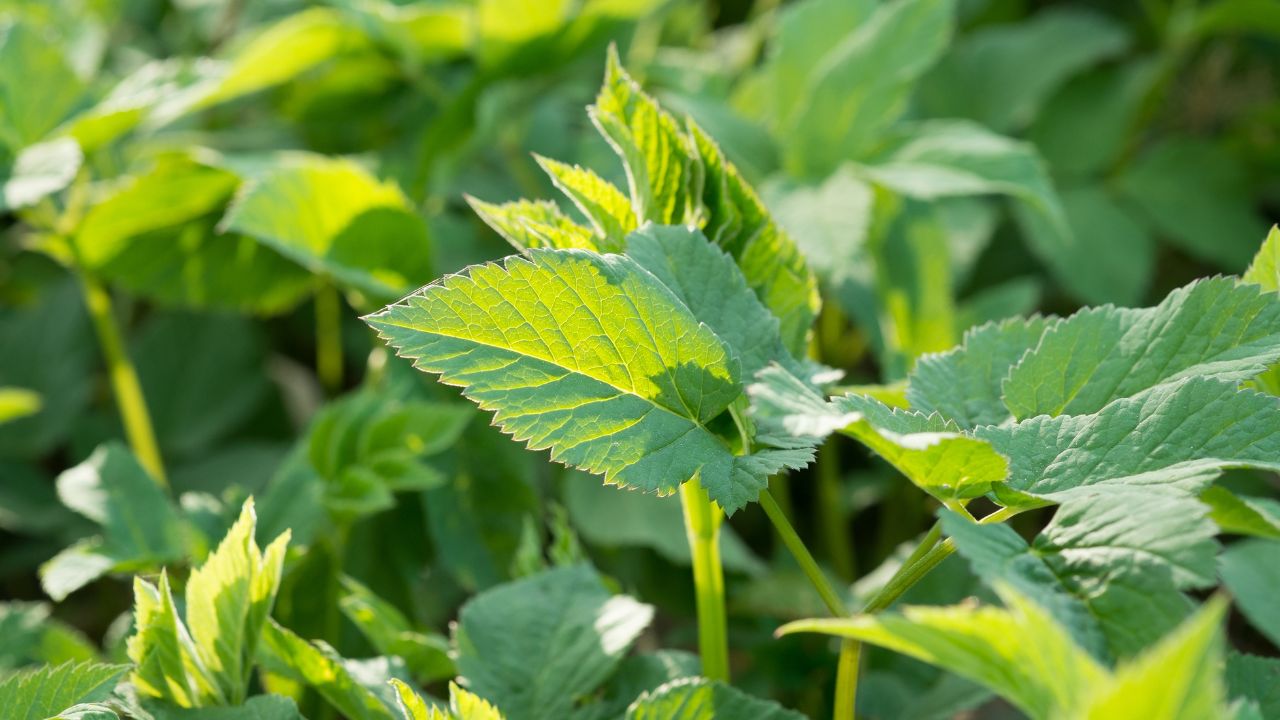
The Design Note: Before You Pull a Weed, Find Out How It Spreads
When an unwanted plant appears in a border, it’s tempting to pull it out immediately.
But the plant you can see is only part of the story.
Before deciding what to do, identify the weed and find out how it typically spreads. Some weeds scatter seeds into open soil. Others travel beneath the surface through roots or rhizomes. Some creep along the ground, while others arrive with compost, soil, or newly purchased plants.
The spreading method gives you clues about what is happening in your own garden.
Look at the pattern.
- Are there separate seedlings appearing across a wide area?
- Is the weed forming one connected patch?
- Is it moving into the border from a boundary, or has it appeared near a recently planted area?
Because once you understand how the weed is moving to and through your garden, you can start making better decisions about where to focus your efforts and how the garden's design could help prevent it from spreading further. You may need to cover open soil, strengthen the planting near a boundary, or choose plants that create fuller layers within the border.
You don’t need to solve the whole problem at once.
Begin by becoming curious about the plant in front of you.
 |
Design takeaway:
- Identify the weed.
- Learn how it spreads.
- Then use that knowledge to decide how the garden’s planting and structure could help slow it down.
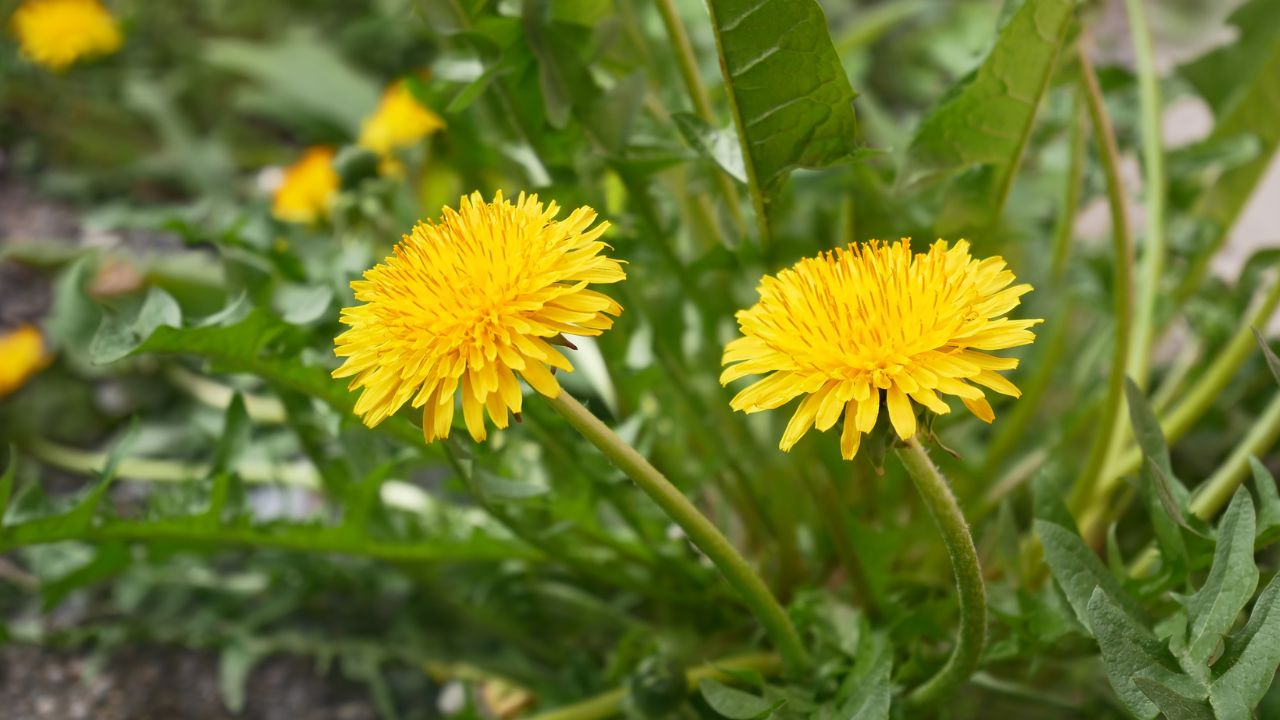
A Question for You🌱:
Look at one area where weeds regularly return.
Notice:
- whether the plants are scattered or connected
- whether they begin near a boundary, path, or recently planted area
- how much bare soil surrounds them nearby
Write down what you notice before removing anything.
Comment below:
Did you find patterns in how the weeds spread in your yard?
I’d love to hear what you’re noticing.


P.S. Enjoying The Garden Blueprint? Subscribe to receive future garden design notes, seasonal reflections, and practical design guidance straight to your inbox.






Responses