

From the Garden:
Have you noticed how quickly the garden can change at this time of year?
One day it still feels quiet. The next, there’s greener grass, louder birdsong, swelling buds, and that unmistakable feeling that the season is shifting.
That’s what I love about mid-April.
In many gardens, spring still arrives in its own uneven way. Some spaces are already waking up fast. Others still look a little bare. But that doesn’t mean nothing is happening.
A quiet garden is not an empty garden. It’s a garden getting ready.
It’s grounding, somehow.
And if your garden still looks sparse, there’s no need to rush. Pollinators usually become more active once temperatures are consistently around 50°F, so early spring is still very much a season of waiting, watching, and letting things unfold.
Just like a quiet garden is getting ready beneath the surface, the best garden designs often begin not with the dream itself, but with the problem that’s quietly in the way.
The Design Note:
It’s Better to Start Designing with a Problem Than Just a Dream
When I work with clients, whether in person or online, we always end up talking about two things: their dreams and their problems.
Both matter.
Why problems are useful in garden design
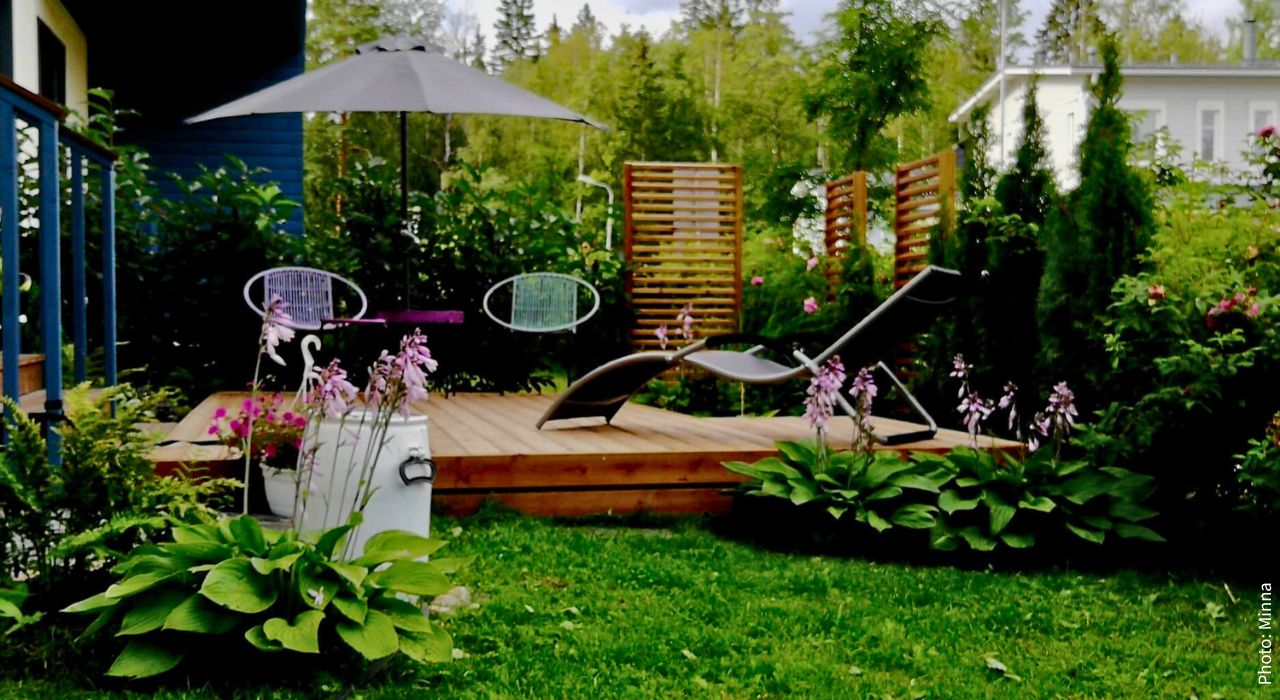
The dream is what gives the project energy. It helps you imagine the feeling you want from your garden. More beauty. More calm. More privacy. More ease. A place that feels like you.
But the problem is often what helps you begin.
After more than twenty years of garden design, I’ve realized that a big part of my work is really problem-solving. And I don’t mind that at all. Garden problems are often far more useful than people think.
Because once you name the real problem clearly enough, the direction becomes easier to see.
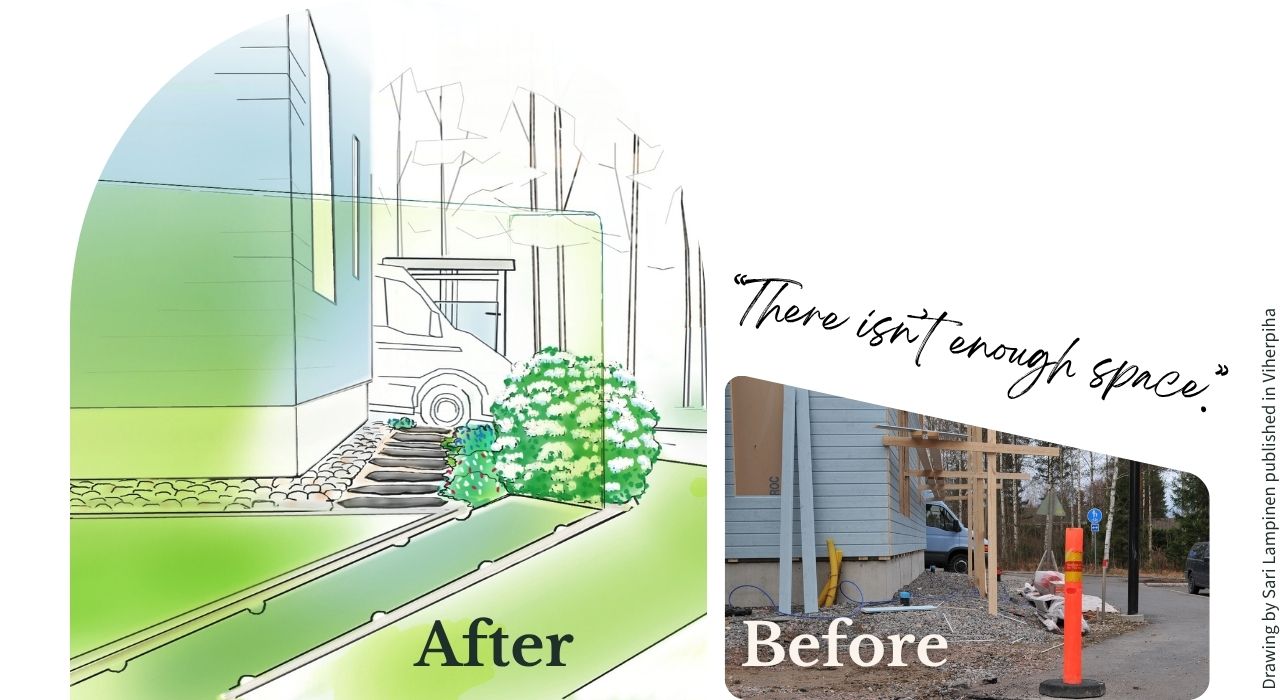
Sometimes the problem is a lack of space. But when you stop and actually measure, you may find that the garden has more usable room than you thought.
Read: Why Some Corners of Your Yard Feel Too Small Even When They’re Not.
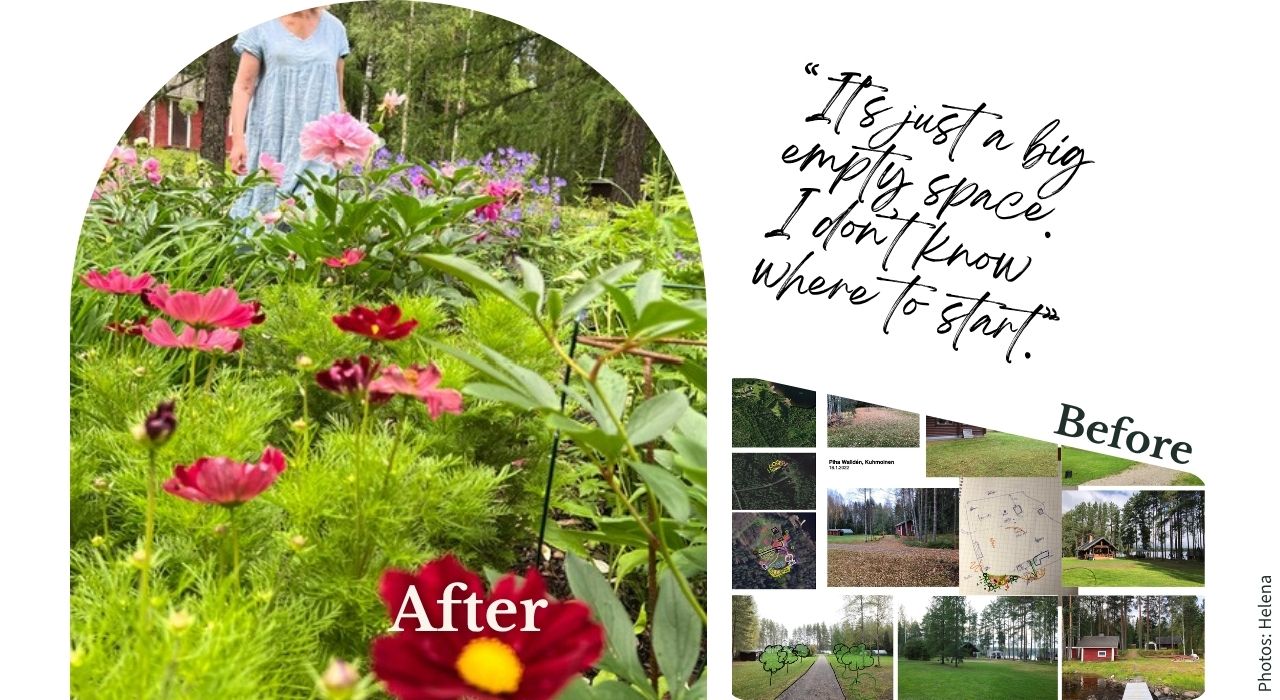
Sometimes the problem is the opposite: too much open space, and no idea where to begin. A blank garden can feel surprisingly difficult because there’s nothing to respond to yet. But open space is not a dead end. It’s possibility.
Read: From Snow to Bloom: Designing a Dream Cottage Garden in Winter.
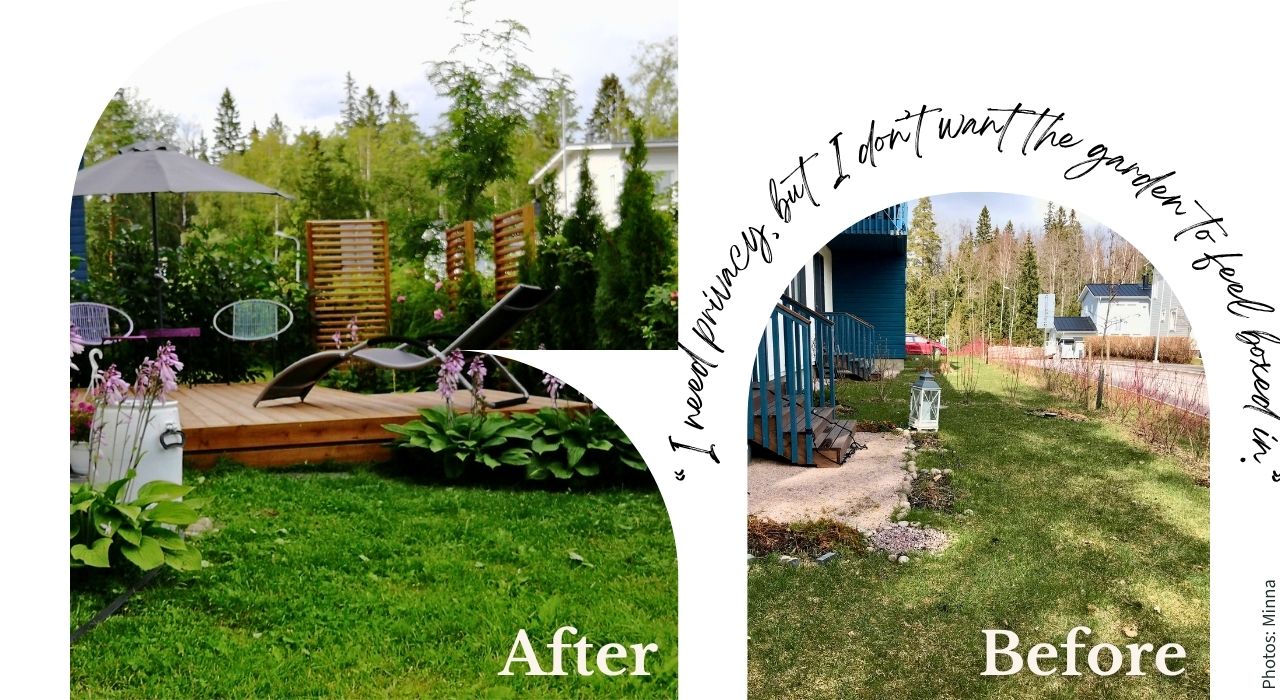
And sometimes the problem is not visual at all. It’s something you feel. A lack of privacy. Too much exposure. A space that never quite lets you relax.
Read: How to Create Privacy Without a Fence in a Small Garden .
That’s why I don’t think it’s enough to design from a dream alone.
Dreams are important. But problems are often where the best ideas begin.
So don’t ask only, What do I want?
Ask also, what is getting in the way?
That’s usually where the design starts to become real.
Related reads from the blog
- Why Some Corners of Your Yard Feel Too Small Even When They’re Not
- From Snow to Bloom: Designing a Dream Cottage Garden in Winter
- How to Create Privacy Without a Fence in a Small Garden
A Small Practice:
Give yourself just 5 minutes.
First, take a moment and picture your dream garden.
What is the first thing that comes to mind?
Maybe it’s a feeling. A favorite place to sit. A sense of privacy. A planting style. A soft, abundant border. A quieter patio at the end of the day.
Write a sentence with a few words for your dream.
Then ask yourself this:
What is the one thing that makes that feel difficult right now?
Write down one sentence for the problem.
Now you have something very useful: a dream, and the problem that needs solving first.
And that makes the next step much clearer.
If You’d Like Support Here
If you’ve just named your dream and the problem in the way, and you’d like help turning that into a clear first step, you can:
Option 1: Start with the workbook
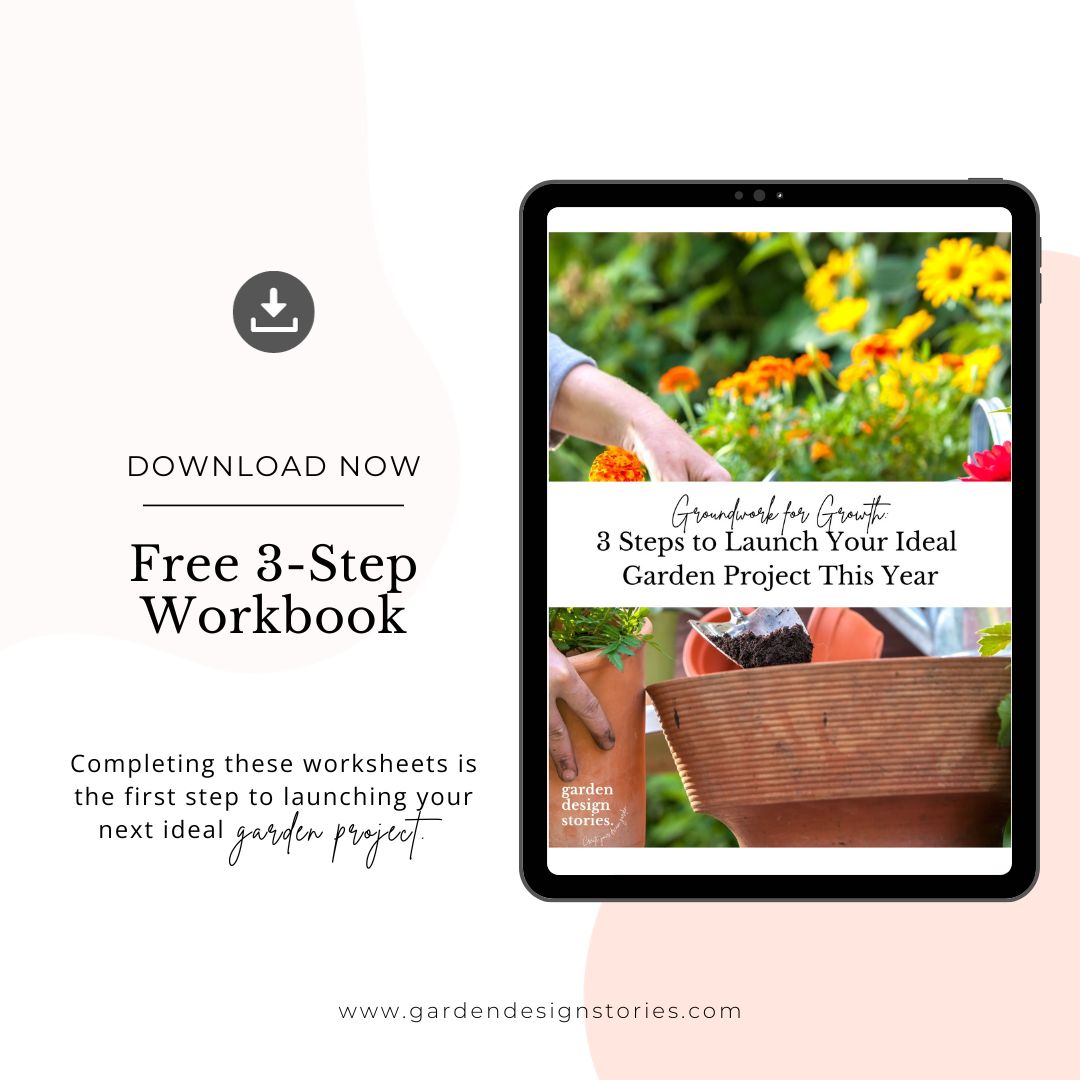
Option 2: Talk it through 1:1 and book a session with me.
A Question for You:
A dream gives us a boost of energy to begin a new garden project.
But the problems that come up along the way can flatten that energy almost as quickly.
And sometimes the biggest problem of all is simply knowing where to start, and in what order to move forward.
So tell me this:
What’s the biggest obstacle that keeps you from enjoying your garden the way you’d like to right now?
Hit reply and tell me in one sentence if you’d like my eyes on it.
Tell me what’s getting in the way. Maybe we can find the solution together. Sometimes moving closer to your dream garden starts with one small, clear insight.
To new beginnings in the garden,






Responses