
Why weeds are a garden design problem — not just a maintenance problem

Weeds. Those troublesome companions in our gardens that arrive uninvited… and then try to take over the whole place.
Of course, the ideal situation is to stop these unwanted visitors before they even find their way into your yard.
But the starting point isn’t always quite so perfect.
Even then, thoughtful garden design can help you get weeds under control and make it much harder for new ones to move in.
First, though, I want to mention something important: weeds trying to take over your yard is completely normal.
Nature always tries to fill empty space.
Think about abandoned houses and their gardens, or any area that hasn’t been used or cared for in a while. Little by little, the surrounding landscape begins to reclaim it.
First come the weeds and grasses. Then shrubs and trees appear. Gradually, the driveway and other structures disappear.
And eventually, so does the whole cottage.
Your garden follows the same natural process—just on a much smaller and more manageable scale.
This week, we’re starting a conversation about weed management.
Did you know that garden design can reduce the amount of weeding you need to do?
In this video, you’ll discover:
- The biggest misconception about weed control
- A different way to approach the problem and keep weeds under control
Watch the full 9-minute video in YouTube
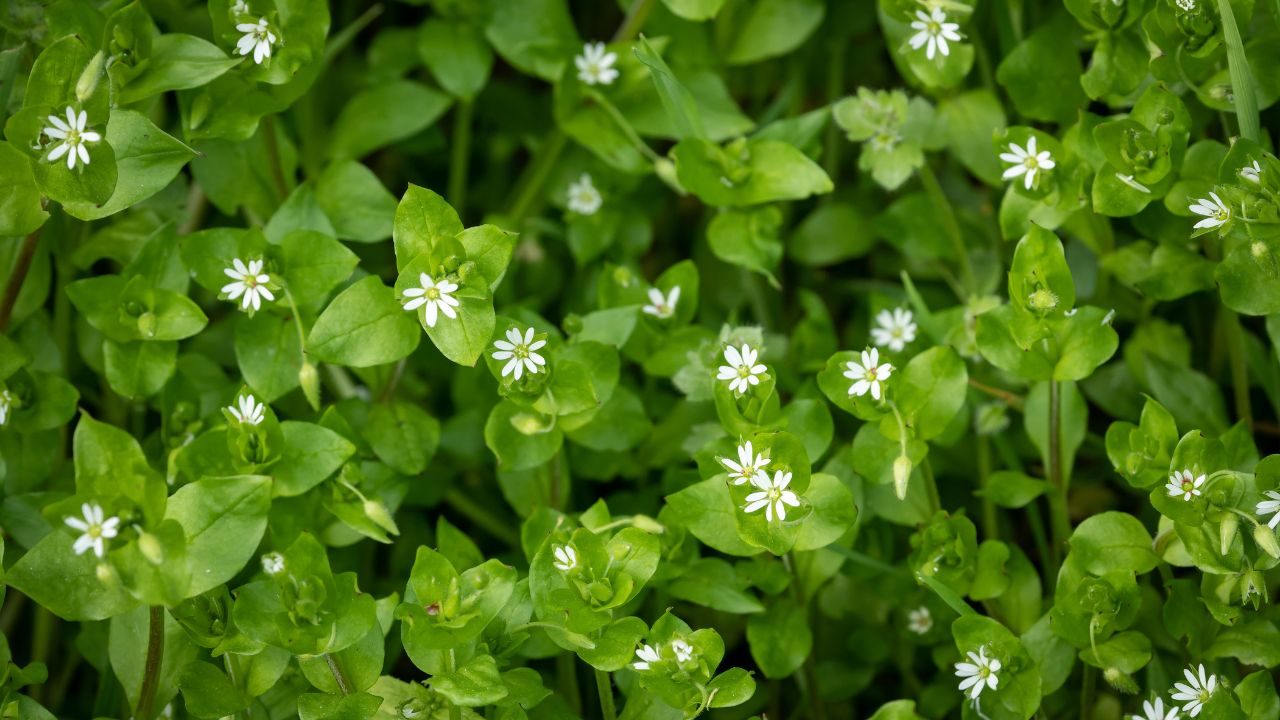
The important thing is not to think about weed management only in terms of pulling weeds.
Instead, take a look at where weeds are growing in your garden right now.
What space are they filling in your planting beds? And what could you intentionally grow there instead?
That might mean using ground-cover plants, planting more densely, adding mulch, or redesigning awkward gaps between plants.
Also, pay attention to the different ways weeds find their way into your garden.
So weed management isn’t only about weeding.
It’s about designing your planting beds, plant choices, and garden in ways that make conditions less inviting for weeds to grow and spread.
Of course, weeds don’t mean you’ve designed your garden badly. Seeds travel with the wind, animals, soil, compost, and even our own shoes. But good design can reduce the number of places where they can easily settle and spread.
The question isn’t only, “How can I remove these weeds?”
It’s also, “Why are they thriving here, and what could I change so they have less room to return?”

A well-designed garden won’t necessarily be completely weed-free. But it can be much easier to manage, with fewer weeds and less time spent fighting them.
Next time, we’ll take a closer look at the different routes weeds use to disturb the peace in your garden. Then we’ll start solving the problem step by step.
Tell me in the video comments: What’s the biggest weed-related problem in your garden?
Happy designing and gardening!
Sari
Want to Discover Your Garden Style?
Take my popular Garden Style Quiz to find out which outdoor aesthetic suits you best—and get tailored ideas for building a garden you love.
