
How to Get Your Daily Dose of Serotonin from the Garden? Naturally, of course.

Feeling a little low on energy now that autumn’s in full swing? You’re not alone. Many of us start to feel the early signs of winter blues even after having a summer full of sunshine.
But here’s the good news: there’s so much you can do to ease those symptoms. And yes, your garden can help.
My quick fix? I planted spring bulbs.
It took me twenty minutes, tops. But I came back inside feeling lighter, more uplifted, as if something had quietly shifted.
Had I accomplished something? Sure. I got a little planting done, and come spring, there will be beautiful blooms to greet me. That’s already a win.
But the effect went deeper than that. It got under my skin—literally. And straight into my brain.
So what happened?
My body (and brain) got exposed to something truly good: a friendly soil bacterium that helps lift your mood.
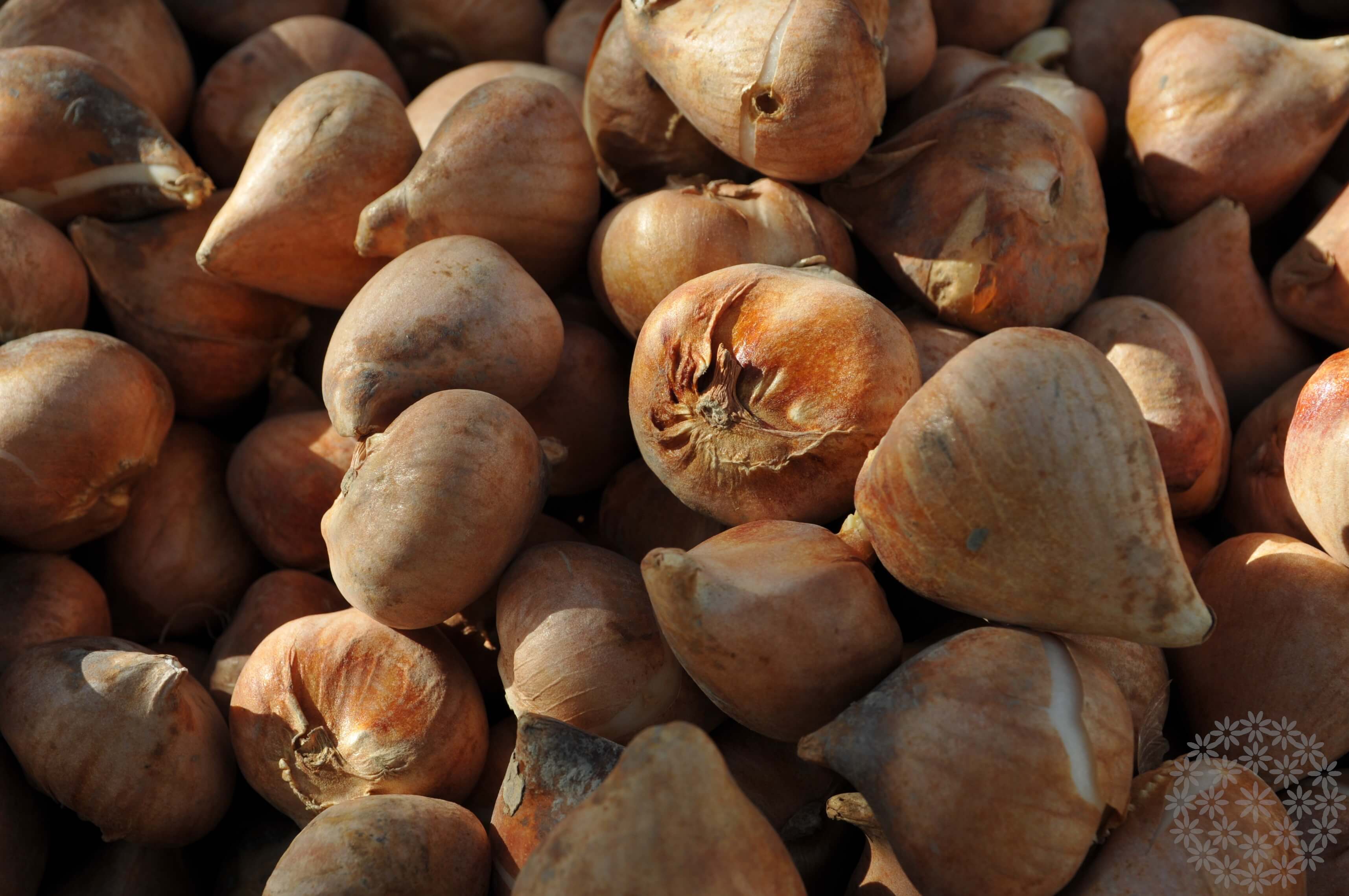
Above: Bulbs of a soft pink double tulip cultivar ‘Angelique’
Nature’s own serotonin booster
About twenty years ago, researchers discovered that soil contains ‘friendly’ bacteria that can actually influence the brain much like antidepressants do. Since then, more studies have confirmed it.
The specific microbe they found? Mycobacterium vaccae.
It’s a naturally occurring bacterium that we breathe in or ingest whenever we spend time outdoors and in our gardens.
The best part? Mycobacterium vaccae is everywhere in healthy soil. That means it’s already right there, waiting for you, just outside your door.
And this friendly little organism? It has a direct line to your brain. It stimulates your neurons to produce more serotonin, that feel-good chemical we rely on to stay emotionally balanced.
The same one is often used in antidepressant medications.
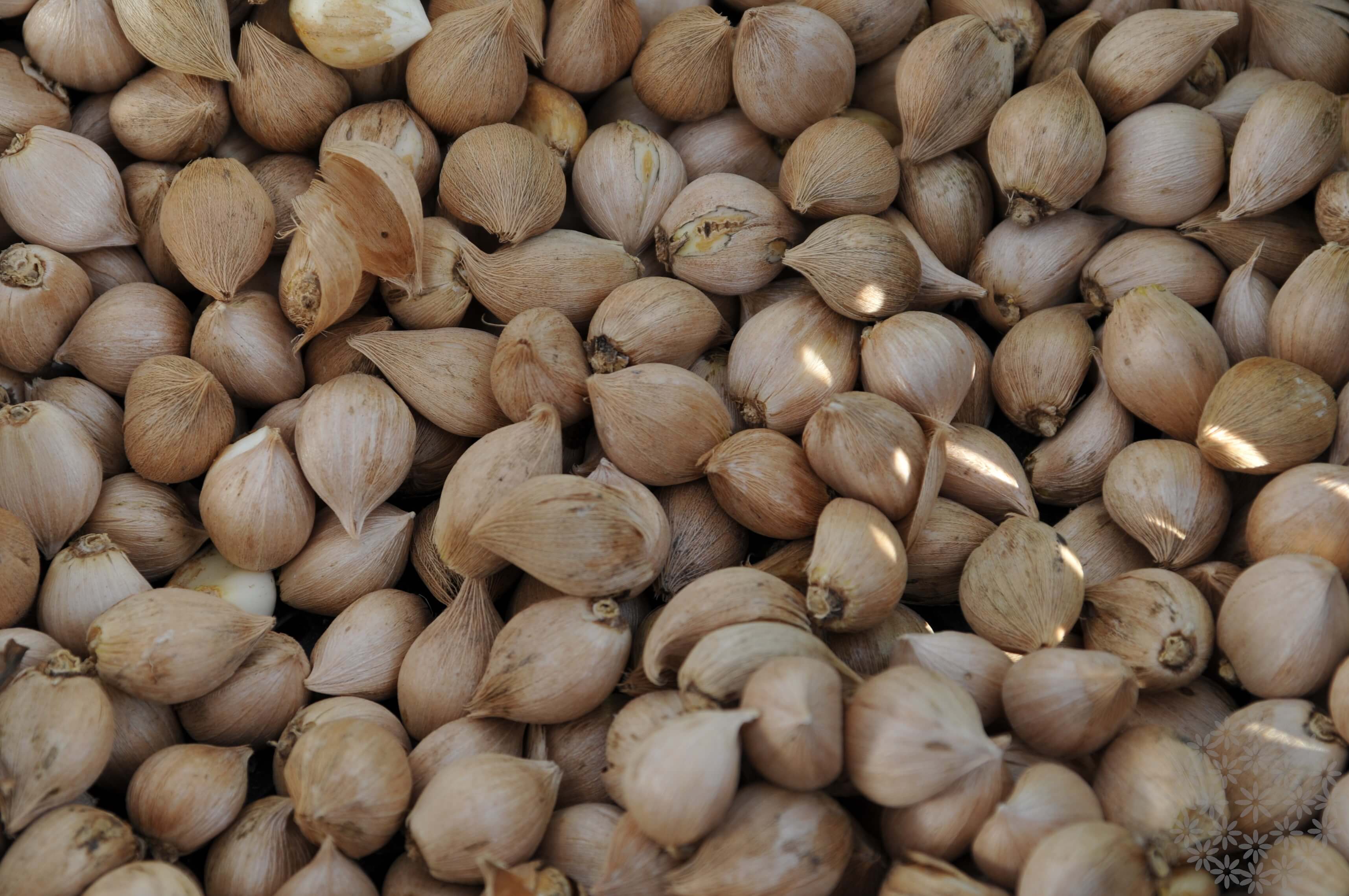
Above: Bright blue spring iris ‘Harmony’ bulbs ready for planting (Iris reticulata)
How to "use" serotonin in your garden
Here’s your very natural, very low-tech serotonin prescription:
- Start digging.
- As you turn the soil, this beneficial bacterium gets released into the air. You breathe it in just by being outside and working in your garden.
- Keep planting until your bulbs are nestled in and the earth is gently patted back over them.
- Put away your tools, head inside, and enjoy that quiet buzz of satisfaction.
I followed that same “prescription” myself. That’s why I felt so great afterward. The friendly soil bacteria kicked my brain cells into gear, prompting a rush of serotonin. I felt more energised, more relaxed—and weirdly, more myself.
But the benefits don’t stop at a better mood.
More than just a good feeling
Exposure to Mycobacterium vaccae also improves your ability to learn. It’s been linked to better immune function and even used in treatments for asthma, cancer, psoriasis, and certain skin conditions.
Ever wonder why old tuberculosis hospitals were often built in pine forests? Turns out, it wasn’t just the fresh air. It was likely the healing effects of the soil bacteria, too.
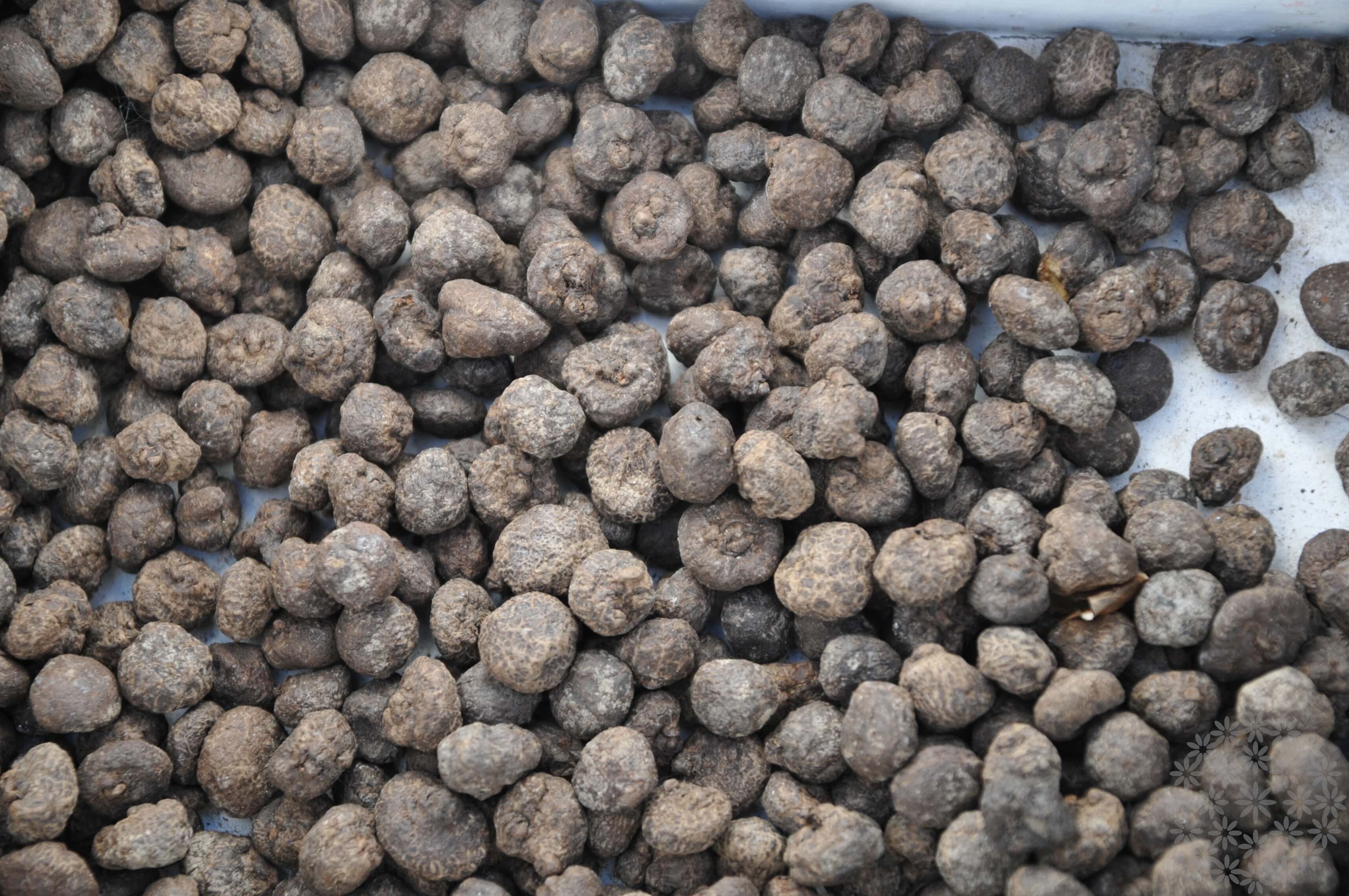
Above: Winter aconite (Eranthis hyemalis) will flower when the last snow patches melt.
Still on the fence?
Head to a garden centre or your local shop, grab a few bags of spring bulbs, and tuck them into the earth this weekend.
You’ll come back inside with muddy hands and a much lighter heart.

P.S. Just a little heads-up: skip breathing in dry potting compost from bags. The dust from commercial soil products can contain Legionella bacteria, which can cause severe pneumonia. If the soil product is very dusty, it's a good idea to water it slightly before use.

Not sure what to plant?
I’ve gathered my favourite list of spring bulbs that thrive in clay and sandy soils—so you can skip the guesswork and get straight to planting.
→ See my go-to bulbs for clay and sandy soils

Want to Discover Your Garden Style?
Take my popular Garden Style Quiz to find out which outdoor aesthetic suits you best—and get tailored ideas for building a garden you love.
