
How to Find Sun and Shade in Your Garden Before Choosing Plants
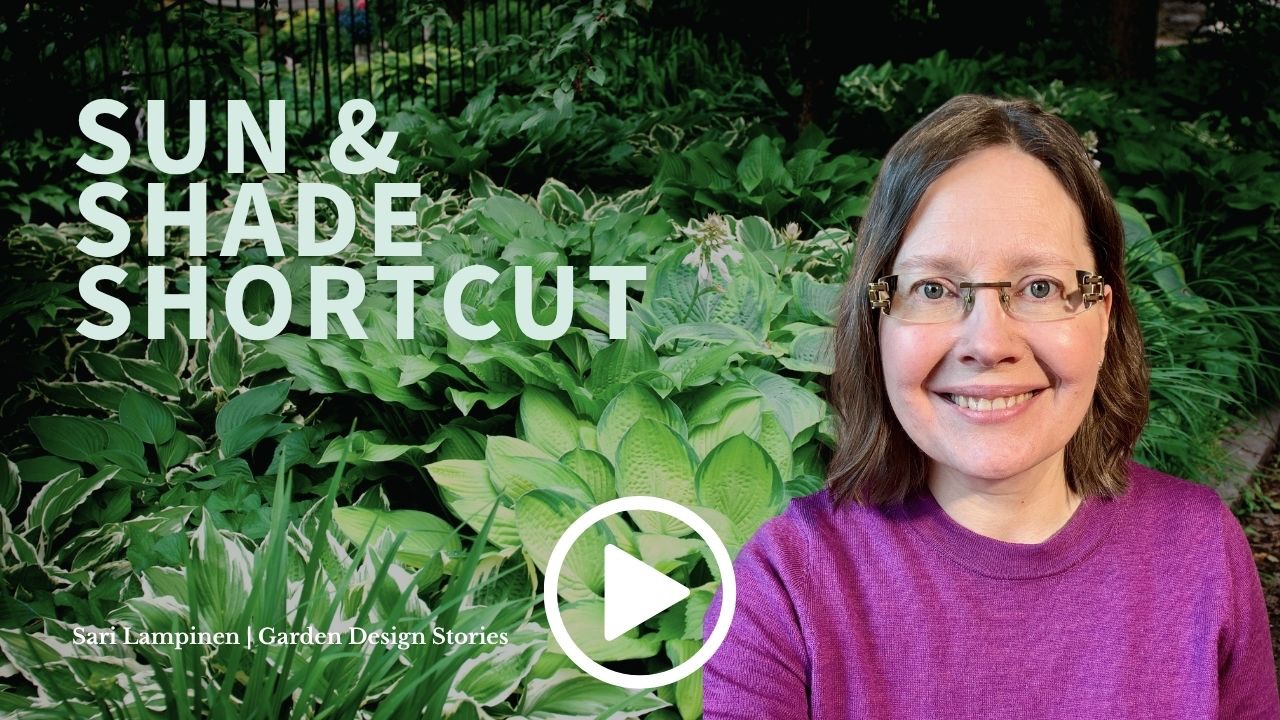
Have you ever brought plants home from the garden center and planted them somewhere that felt like the perfect spot… only for the plant to sit there looking slightly miserable later?
Maybe it didn’t flower much. Maybe it grew thin and floppy. Maybe it crisped around the edges even though you watered it. Or maybe it just looked like saying, I don’t like it here.
It’s easy to think you’ve been looking after the plant all wrong.
But quite often, the problem isn’t you. And it isn’t even the plant.
It’s simply that the plant is in the wrong light.
Before choosing plants for your garden, one of the most helpful things you can do is understand where your garden gets sun and shade.
And one of the easiest places to start?
Your phone.
Why Sun and Shade Matter When Choosing Plants
Light is one of the main clues your garden gives you for choosing the right plants and finding them the perfect spots.
Some areas may be warm and sunny for most of the day. Others might only get a little morning light. Some corners may stay cool and shaded, especially near fences, buildings, hedges, or trees.
Plants respond to these differences.
A sun-loving plant may struggle in too much shade. It might grow tall and weak, flower less, or never really settle in.
A shade-loving plant placed in strong afternoon sun may wilt, scorch, or need constant rescuing with the watering can.
And that’s where gardening can start to feel frustrating. You’re doing your best, but the plants still aren’t happy.
The good news? Once you begin to understand your garden’s light, plant choices become much easier. You’re no longer guessing quite so much. You’re matching the plant to the place.
That one shift - noticing your yard’s aspect and light patterns - can save you a lot of time, money, and plant heartbreak.
Use Your Phone's Map to Understand Your Garden’s Aspect
A simple way to begin is by opening the map application on your phone.
Find your home on the map and look at how your garden sits in relation to north, south, east, and west.
This helps you understand your garden’s aspect, which simply means the direction your garden or a specific area faces.
In the northern hemisphere, a south-facing area usually gets the most sun during the day. A north-facing area is often cooler and shadier. East-facing areas tend to get morning sun, while west-facing areas often get stronger afternoon and evening sun.
Of course, every garden has its own little quirks.
A tall fence might block the evening sun. A tree might create dappled shade. A shed, wall, or neighboring house might cast a shadow over part of the garden.
So the phone map gives you the starting point. Then your real garden fills in the details.
I explain this simple phone map trick in my YouTube video >>HERE<<.
It’s a quick way to start seeing your garden with fresh eyes.
What North, South, East, and West Mean for Your Garden
Once you know the directions in your garden, you can start making sense of how the sun moves through the space.
- A south-facing area will usually be the brightest and hottest spot in your garden. This can be a good place for plants that enjoy sun, as long as the soil and moisture suit them too.
- A north-facing border may be cooler and more shaded. This doesn’t mean it’s a problem area. It just means you’ll want plants that are comfortable with less direct sun.
- An east-facing spot often gets softer morning light. This can be a great place for plants that enjoy light but don’t love intense heat.
- A west-facing planting area may get stronger afternoon sun into the evening, which can be warmer and quite drying for the plants, especially in summer.
And then there are all the in-between places. The part-shade corners. The dappled light under a small tree. The side path that only gets a sliver of sun at certain times of the year.
Gardens rarely fit perfectly into neat little boxes. But you don’t need perfection here. You just need enough understanding to make better choices.
Take a Slow Walk Around Your Garden
After checking your phone map, step outside and walk around your garden.
Notice where the sun falls.
- Where is it brightest in the morning?
- Where does the sun hit around midday?
- Which areas feel hot in the afternoon?
- Which corners stay shaded for most of the day?
You might also notice where the soil dries out quickly, where moss appears, or where existing plants already seem happier.
These are all useful clues.
You can make a few simple notes in your phone or garden notebook, such as:
- Back border: sunny afternoon (West-facing)
- Side path: mostly shade (North-East facing)
- Patio corner: hot and dry (South-facing)
- Under tree: dappled light
- Fence border: morning sun only (East-facing)
Nothing fancy. Just enough to help future-you when you’re standing at the garden center, surrounded by beautiful plants and trying not to make six impulse decisions at once.
We’ve all been there.
Before You Buy More Plants, Try This
Before your next plant-shopping trip, take ten minutes to map your garden’s light.
- Open your phone's map application.
- Find the direction your garden faces.
- Walk outside and look at the actual light.
- Make a few simple notes.
That’s it.
This small step can help you choose plants that are more likely to feel at home in your yard.
And when plants are in the right place, they usually need less fussing over. They grow with more ease. They look more settled. And you can spend less time worrying about what went wrong.
Because so much of good garden design starts with noticing the site’s characteristics and what’s already there.
Want More Help Choosing the Right Plants?
Understanding sun and shade is one of the first steps toward choosing plants with more confidence. My mini-course, Confident Plant Choices, helps you look at your garden’s real growing conditions so you can choose plants with less second-guessing.
Read more about the Confident Plant Choices course
Want to Discover Your Garden Style?
Take my popular Garden Style Quiz to find out which outdoor aesthetic suits you best—and get tailored ideas for building a garden you love.
